It's essential for healthy bones, teeth, gums, and blood vessels. Ask your doctor if supplements are right for you.Vitamin EVitamin E is an antioxidant and helps protect cells from damage. It is also important for the health of red blood cells.Vitamin E is found in many foods, such as vegetable oils, nuts, and green leafy vegetables. It's also added to some breakfast cereals.Teens should get 2.4 micrograms of vitamin B12 daily.Vitamin B6Vitamin B6 is important for normal brain and nerve function. It helps maintain healthy skin and is important for nerve function.You'll find niacin in red meat, poultry, fish, fortified hot and cold cereals, and peanuts.Teen guys need 16 mg of niacin daily.

It is also needed to make DNA.Liver, dried beans and other legumes, green leafy vegetables, asparagus, and orange juice are good sources of this vitamin. So are fortified bread, rice, and cereals.Teen girls and guys need 400 micrograms of folate daily. Although more supplementation studies are needed, ensuring vitamin D adequacy throughout childhood and adolescence seems prudent. The Linus Pauling Institute recommends that adolescents aged 14 to 18 years should have a daily intake of 600 to 1,000 IU (15 to 25 μg) of vitamin D, consistent with the recommendations of the Endocrine Society . According to the Endocrine Society, at least 600 IU/day may be required to maximize bone health, and 1,000 IU/day may be needed to increase serum levels above 30 ng/mL (75 nmol/L) .

Given the average vitamin D content of the diets of adolescents, supplementation may be necessary to meet this recommendation. The RDA of magnesium for those aged 14 to 18 years, 410 mg/day for boys and 360 mg/day for girls, was derived from results of balance studies in adolescents. Good dietary sources of magnesium include nuts, and green leafy vegetables because magnesium is part of chlorophyll — the green pigment in plants. Meats and milk have an intermediate magnesium content, with milk providing mg per cup .

Although data are limited, some studies have found that a large percentage of adolescents have magnesium intakes below recommended levels ( ). In an analysis of NHANES data, US adolescents who consumed milk had higher daily magnesium intakes than adolescents who did not drink milk . However, NHANES data show that US adolescents (12-19 years) on average only consume about 1 cup of milk daily . Low-fat milk, nuts, whole grains, and green leafy vegetables are important sources of magnesium for adolescents.

If adolescents do not meet the RDA through dietary sources, LPI recommends a combined magnesium-calcium supplement. Severe iron deficiency leads to iron-deficiency anemia; anemia affects more than 30% of the global population . Adolescents have increased requirements for iron due to rapid growth.

In particular, adolescent girls are at a heightened risk of iron deficiency due to inadequate intake of dietary iron, especially heme iron; increased demands of growth; and iron loss that occurs with menstruation. Following puberty, adolescent girls have lower iron stores compared to adolescent boys . About 99% of calcium in the body is found in bones and teeth . Specifically, data used by the FNB to determine calcium accretion came from a recent longitudinal study in 642 Caucasian adolescents aged 14 to 18 years . Thus, the RDA was set at 1,300 mg/day; this level of calcium intake is expected to cover the needs of 97.5% of adolescents.

Vitamin C has a number of important roles during growth and development, including being required for the synthesis of collagen, carnitine, and neurotransmitters . Vitamin C is also a highly effective antioxidant and is important for immunity . Further, vitamin C strongly enhances the absorption of nonheme iron by reducing dietary ferric iron (Fe3+) to ferrous iron (Fe2+).

Specifically, iron absorption is two- to three-fold higher with co-ingestion of 25 to 75 mg of vitamin C . This has special relevance to adolescent health, considering the fact that iron deficiency is prevalent among adolescents, especially girls . The RDA for adolescents aged 14 to 18 years, which was extrapolated from recommendations for adults based on relative body weight, is 75 mg/day and 65 mg/day of vitamin C for boys and girls, respectively . Vitamin B6 is required for heme synthesis and in the synthesis and metabolism of amino acids— the building blocks of proteins. Thus, the vitamin has obvious relevance to adolescent growth and health. Dietary intake recommendations of vitamin B6 for adolescents were established by extrapolating data from adults, using metabolic body weight and accounting for growth.

The RDA for boys aged 14 to 18 years is 1.3 mg/day, and the RDA for girls aged 14 to 18 years is 1.2 mg/day . Only a few studies have evaluated vitamin B6 status specifically in adolescents. The same investigators found more than 40% vitamin B6 inadequacy when a group of 112 adolescent girls (12- and 14-year-old) were followed for two years . For information on dietary sources of the vitamin, see the article on Vitamin B6. The formulas also contain vitamin D, magnesium and zinc which contribute to the maintenance of normal bone health.

Speaking of calcium, vitamin D would be ineffective is there is not enough calcium to process. While calcium is the most abundant mineral found in the body, a study of adults over 50 showed more than 40% were calcium-deficient. However, dietary changes, such as following a vegan diet, may reduce the daily intake.

Vitamin B9, also called folate or folic acid, is one of 8 B vitamins. All B vitamins help the body convert food into fuel , which is used to produce energy. These B vitamins, often referred to as B-complex vitamins, also help the body use fats and protein.

B-complex vitamins are needed for a healthy liver, and healthy skin, hair, and eyes. Folic acid is the synthetic form of B9, found in supplements and fortified foods, while folate occurs naturally in foods. In general, multivitamin/mineral supplements contain only a small percentage of the RDA for calcium and magnesium; therefore, intake of calcium and magnesium from dietary sources, such as low-fat milk, is important. Vitamin D is a fat-soluble vitamin that is essential for maintaining normal calcium metabolism and is therefore necessary for bone health.

The growth plates of bones continue to enlarge, but in the absence of adequate mineralization, weight-bearing limbs become bowed. The RDA for vitamin A is based on the amount needed to ensure adequate stores of vitamin A in the body to support normal reproductive function, immune function, vitamin A-dependent gene expression, and vision . Vitamin A intake recommendations for adolescents were derived by extrapolating the recommendation for adults using metabolic body weight, accounting for growth.

For information on vitamin A content in foods, see the article on Vitamin A. The best way to get these vitamins and other nutrients is by eating a healthy, balanced diet of fruits, vegetables, whole grains, nuts, seeds, beans, legumes, lean meats, healthy fats, and low-fat dairy. But if you're not, you may not be getting adequate amounts of vitamins and minerals to keep you feeling your best. A specially formulated multivitamin for your age and gender, like Nature Made Multi for Him or Multi for Him 50+, provides nutritional support to fill in nutrient gaps missing from your diet. Adding a variety of foods to a teen's diet can help her get what she needs, and supplementing with multivitamins may benefit some teens. However, this evidence is based on population studies that show people who get enough folate in their diet have lower rates of these cancers.

Researchers do not know exactly how folate might help prevent cancer. Some think that folic acid keeps DNA healthy and prevents mutations that can lead to cancer. There is no evidence that taking folic acid supplements helps prevent cancer. The best course of action is to make sure you eat a balanced diet with enough folate, which will help protect you against a number of diseases.

The amount of bioavailable iron in food is influenced by the iron nutritional status of the individual and also by the form of iron . Individuals who are anemic or iron deficient absorb a larger percentage of the iron they consume than individuals who are not anemic and have sufficient iron stores . Although heme iron generally accounts for only 10-15% of the iron found in the diet, it may provide up to one third of total absorbed dietary iron .

The absorption of nonheme iron is strongly influenced by enhancers and inhibitors present in the same meal. For instance, vitamin C strongly enhances the absorption of nonheme iron by reducing dietary ferric iron (Fe3+) to ferrous iron (Fe2+) and forming an absorbable, iron-ascorbic acid complex. Organic acids, such as citric, malic, tartaric, and lactic acids, also enhance nonheme iron absorption. Further, consumption of meat, poultry, and fish enhance nonheme iron absorption, but the mechanism for this increase in absorption is not clear . Inhibitors of nonheme iron absorption include phytic acid, which is present in legumes, grains, and rice.

Polyphenols found in some fruit, vegetables, coffee, tea, wines, and spices can also markedly inhibit the absorption of nonheme iron, but this effect is reduced by the presence of vitamin C . Soy protein, such as that found in tofu, has an inhibitory effect on iron absorption that is independent of its phytic acid content . However, when accounting for intake from fortified foods, less than 5% of individuals in that age group have intakes below the EAR . The US Food and Drug Administration implemented legislation in 1998 requiring the fortification of all enriched grain products with folic acid . Globally, more than 50 countries have mandatory programs of wheat-flour fortification with folic acid, but flour fortification is not common in Europe . Dietary folate inadequacy is common among adolescents in European nations, especially girls .

Folate or vitamin B9 is another nutrient that many women don't get enough of in their diets. Folate can greatly reduce the chance of neurological birth defects when taken before conception and during the first few weeks of pregnancy. Folate can also lower a woman's risk for heart disease and certain types of cancer, so even if you're not planning on getting pregnant , it's an essential nutrient for every woman of childbearing age. In later life, folate can help your body manufacture estrogen during menopause.

The body can get many of these vitamins and minerals from a healthy diet. With age, the body is unable to acquire and process vitamins. A pharmacist can recommend a multivitamin that contains most of these vital nutrients. With compounding, pharmacies can create a customized supplement in different forms like liquid or gel caps. Speak with a doctor, pharmacist, or compound pharmacy to determine the right supplements.

Vitamin C helps your body absorb iron, a mineral that facilitates the transportation of oxygen through your blood stream and helps regulate cell growth. Vitamin C helps to keep your cells healthy and, as an antioxidant, may protect you from illness. The recommended daily intake is 75 milligrams of vitamin C for teen boys and 65 milligrams for teen girls. Anyone who struggles to eat a healthy, varied, and balanced diet may benefit from taking supplements. For teenagers, it may be helpful to take iron, calcium, and vitamin D if you feel you are lacking these essential vitamins and minerals. Before you or your teenager start taking any new supplements it's a good idea to check with your GP or a pharmacist.

Although it's important for women in their 20s to get enough folate, there's a fine line between the right amount and too much. The UL is 1,000 micrograms per day of folic acid from supplements and fortified foods; there isn't a risk with dietary folate. The main concern with exceeding this limit is that high blood levels can hide a B12 deficiency which, if allowed to persist, can result in permanent neurological damage. Because vitamin B12 occurs naturally only in animal products, vegans and some vegetarians should take B12 supplements. Getting enough folic acid is critical for all women who may become pregnant in order to reduce the risk for neural tube, or spinal cord, defects. Since 1998, many foods such as breads, cereals, and pastas have been fortified with folic acid, which is a step in the right direction.

Women contemplating pregnancy, however, should be sure to get 400 micrograms of folic acid daily, typically through a supplement. The B vitamin, folate, is required as a coenzyme to mediate the transfer of one-carbon units. Folate coenzymes act as acceptors and donors of one-carbon units in a variety of reactions critical to the endogenous synthesis and metabolism of nucleic acids and amino acids . Thus, folate has obvious importance in growth and development. Moreover, higher intakes of folate in adolescents have been linked to better academic achievement .

Like other B vitamins, adolescent intake recommendations for folate were extrapolated from adult recommendations, using metabolic body weight and accounting for growth. The RDA for adolescents aged 14 to 18 years is 400 μg/day of dietary folate equivalents . Among other things, you need calcium to build healthy bones and teeth, keep them strong as you age, regulate the heart's rhythm, and ensure your nervous system functions properly.

Calcium deficiency can lead to, or exacerbate, mood problems such as irritability, anxiety, depression, and sleep difficulties. If you don't get enough calcium in your diet, your body will take calcium from your bones to ensure normal cell function, which can lead to weakened bones or osteoporosis. Women are at a greater risk than men of developing osteoporosis, so it's important to get plenty of calcium, in combination with magnesium and vitamin D, to support your bone health. The human body requires 13 vitamins and at least 16 minerals essential to your health.However, while all adults need a variety of key vitamins and minerals every day, men and women have different requirements. For instance, women of reproductive age require more iron than men of the same age, so women's supplements typically include iron and men's supplements don't.

If you're asking yourself, "What vitamins should I take daily for a man? " keep in mind that it varies depending on your age and lifestyle. From age 50 onwards, men and women alike can expect several changes. With age comes wrinkles, poor hearing, forgetfulness, and a gray hair or two. Slower metabolism and smaller diets reduce the chances of getting the recommended daily supply of nutrients.

Persons over 50 should focus on getting the following vital vitamins and minerals for a healthier life. For those who eat a healthful diet, a multivitamin may have little or no benefit. A diet that includes plenty of fruits, vegetables, whole grains, good protein sources, and healthful fats should provide most of the nutrients needed for good health. When it comes to specific vitamins and minerals, some Americans get less than adequate amounts, according to criteria set by the National Academy of Medicine.

For example, more than 90% of Americans get less than the Estimated Average Requirement for vitamin D and vitamin E from food sources alone. Calcium is an important mineral for maintaining healthy bones. It can also help to reduce the loss of bone mineral in post-menopausal women.
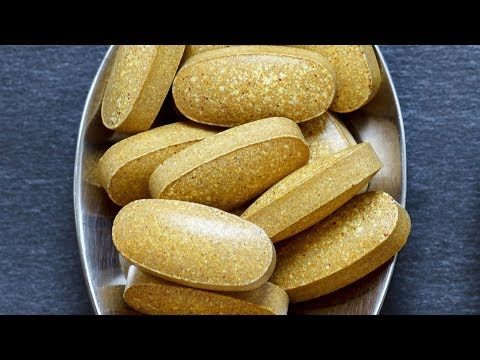
To achieve this, you should consume 1200mg calcium daily from all food sources. Calcium can be found in green leafy vegetables, soy products, cheese, yoghurt, milk, nuts and fish where you eat the bones. Supplements can be used to get the recommended daily allowance of vitamins and minerals you need for a healthy body. While it's best to get your vitamins and minerals from eating a well-balanced diet, a supplement can give your body a boost. Although there's no doubt it's important for our health, the exact amount we need can be somewhat confusing. The recommended daily allowance calls for about 75 milligrams daily for women and 90 mg for men, yet not everyone agrees.

If you prefer to get your vitamin C through food, Brill recommends a half-cup of raw red sweet pepper , a medium kiwi , or a medium orange . Other foods rich in vitamin C include strawberries, kiwi, cantaloupe, and broccoli. The FNB establishes a tolerable upper intake level for most micronutrients.